Educational
May 29, 2026
Evolution of Retail Industry: From Traditional Markets to E-Commerce

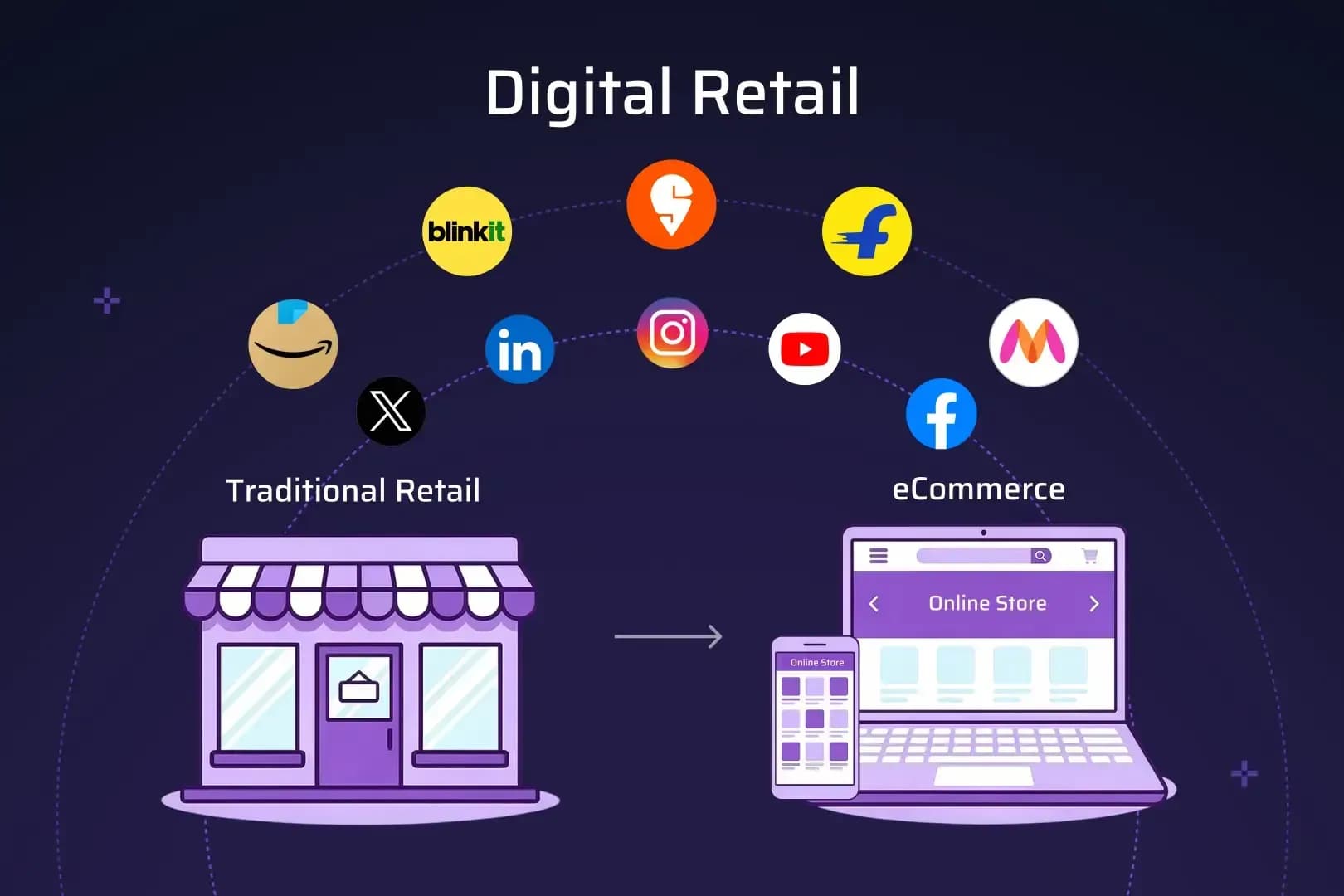
The evolution of the retail industry has transformed how people buy, sell, and interact with brands. What started as local, face-to-face transactions has now become a global, digital-first ecosystem powered by e-commerce and data.
Consumers no longer depend on physical stores alone. They browse, compare, and purchase products instantly using smartphones, while businesses operate across multiple marketplaces and channels.
A few years ago, shopping meant visiting stores, browsing shelves, and paying in cash. Today, you can order anything - from groceries to electronics - at any hour with just a few taps.
This shift isn’t small. The retail market,, valued at $7,200 billion in 2024, is projected to reach $13,954.1 billion by 2033. Growth at this scale signals a permanent change in how commerce works.
This guide breaks down the evolution of the retail industry - from traditional markets to modern e-commerce - and explains what it means for businesses today.
What is the retail industry and why is it important?
To understand where we are going, we first have to understand the retail industry’s meaning.
At its core, retail is the process of selling consumer goods or services to customers through multiple channels of distribution to earn a profit. Unlike wholesale, which involves selling in bulk to other businesses, retail is all about getting the product into the hands of people who will use it.
In the retail sector overview, this world spans everything from mom-and-pop corner stores and bustling farmers' markets to giant supermarkets and sprawling online platforms.
The importance of retail goes way beyond convenience. It powers our daily lives by offering everything from fresh produce to the latest tech gadgets. And the role of retail in the economy? It’s huge.
Retail trade directly contributes around 6.3% to U.S. GDP. Plus, it supports over 55 million jobs.
How did the retail industry begin?
The history of retail is as old as civilization itself. Long before there were stores, there was the basic human need to acquire things one couldn't produce themselves.
Barter system and early trade
Long before cash registers or apps, our ancestors relied on the barter system, meaning straight-up trading goods or services.
These early retail systems were personal and direct, building trust through face-to-face deals. If both people found value in the trade, the deal was done - no cash needed.
Emergence of currency-based transactions
As colonies grew, currency (coins, then paper money) replaced bartering. By the 1700s, general stores popped up in towns, stocking everything from fabric to hardware. Shopkeepers became community hubs, and traditional markets thrived as weekly events where farmers and artisans sold directly.
Traditional markets and local shops
Fast-forward a bit, and traditional markets and local shops became the heart of communities. These traditional markets were social hubs. They were full of haggling, fresh produce, and that personal touch we sometimes miss today.
How did organized retail develop in the 19th and 20th centuries?
Comparison: Traditional vs. Modern Retail
The shift to organized retail changed everything. This era brought structure and scale. Here, we’ll walk you through the retail evolution timeline:
Rise of department stores
In the mid-1800s, the department store's history began with pioneers like Aristide Boucicaut, who founded Le Bon Marché in Paris. These palaces of consumption were revolutionary. For the first time, a shopper could find clothing, furniture, and household goods all under one roof.
Fixed pricing and customer experience
No more endless bargaining! Fixed pricing and customer experience became the new standard. Price tags meant fairness and trust. Stores focused on making customers feel welcome with fancy displays and helpful staff, boosting loyalty big time.
Growth of supermarkets and chain stores
The early 1900s brought supermarkets like Piggly Wiggly (1916 in Memphis) with self-service carts and chain stores expanding nationwide. A&P and later Walmart turned local favorites into national powerhouses.
Impact of industrialization and urbanization
Factories churned out affordable goods, while cities and suburbs boomed. Organized retail thrived on efficiency. Railroads sped distribution, and urbanization created dense customer bases. By the mid-20th century, chain stores and supermarkets dominated, setting the stage for modern retail.
How did e-commerce transform the retail industry?
Then came the internet revolution, flipping retail on its head. E-commerce growth turned shopping into something you could do in pajamas at 2 a.m.
Introduction of online shopping
Amazon’s 1994 launch (starting with books) kicked it off. By the early 2000s, eBay and others followed.
Growth of mobile commerce
Then came smartphones. The growth of mobile commerce made buying seamless - tap, swipe, done. Apps turned every moment into shopping time.
Digital payment systems
Secure cards, PayPal, and later Apple Pay and digital wallets streamlined checkouts. Consumers didn’t fumble for cash. Digital shopping trends made paying effortless and safe.
Shift in consumer behavior
Americans started favoring online shopping over crowded stores. No wonder e-commerce sales reached $1.2337 trillion in 2025. That’s 5.4% up from 2024, making up 16.4% of total U.S. retail sales.
How is technology reshaping retail today?
We are currently in the era of retail technology, where the line between online and offline is blurring. Retailers are using high-tech tools to understand consumers better than they do themselves.
Artificial intelligence and automation
Artificial Intelligence and automation power smart recommendations and inventory management. AI in retail helps stores predict what consumers want before they even know it. McKinsey estimates GenAI could create $240–$390 billion in value for retail through smarter operations.
Data analytics and personalization
Retailers use data analytics to track your browsing history, past purchases, and even how long you hover over an image to create a psychological profile. This is the core of retail psychology, meaning creating an environment where the consumer feels seen and understood. This naturally leads to more sales.
Smart stores and cashier-less systems
Companies are experimenting with smart retail solutions like "Just Walk Out" technology. You enter a store, grab what you want, and leave; sensors and cameras track your items and charge your account automatically. This addresses one of the biggest pain points in retail: the checkout line.
What challenges does the retail industry face today?
Despite the innovation, there are significant retail challenges that keep business owners awake at night.
Competition from e-commerce giants
The "Amazon Effect" is real. Small and medium-sized businesses struggle to match the low prices and free two-day shipping offered by massive corporations.
This e-commerce competition has led to the retail apocalypse, where many long-standing brick-and-mortar chains have gone bankrupt.
Supply chain disruptions
Tariffs, global events, and weather wreak havoc on the retail industry, making stocking shelves tricky and raising prices. Managing these retail risks requires a more resilient and localized approach to sourcing.
Data privacy and cybersecurity
As retailers now collect so much personal data, they are prime targets for hackers. A single data breach can destroy a brand’s reputation overnight.
Changing market dynamics
Inflation, fluctuating currency values, and changing labor laws mean that retailers must be more agile than ever. The cost of doing business is rising, while consumers are simultaneously demanding lower prices.
What are the future trends in the retail industry?
The future of retail is about immersion, ethics, and direct connection.
Augmented Reality (AR) and Virtual Reality (VR)
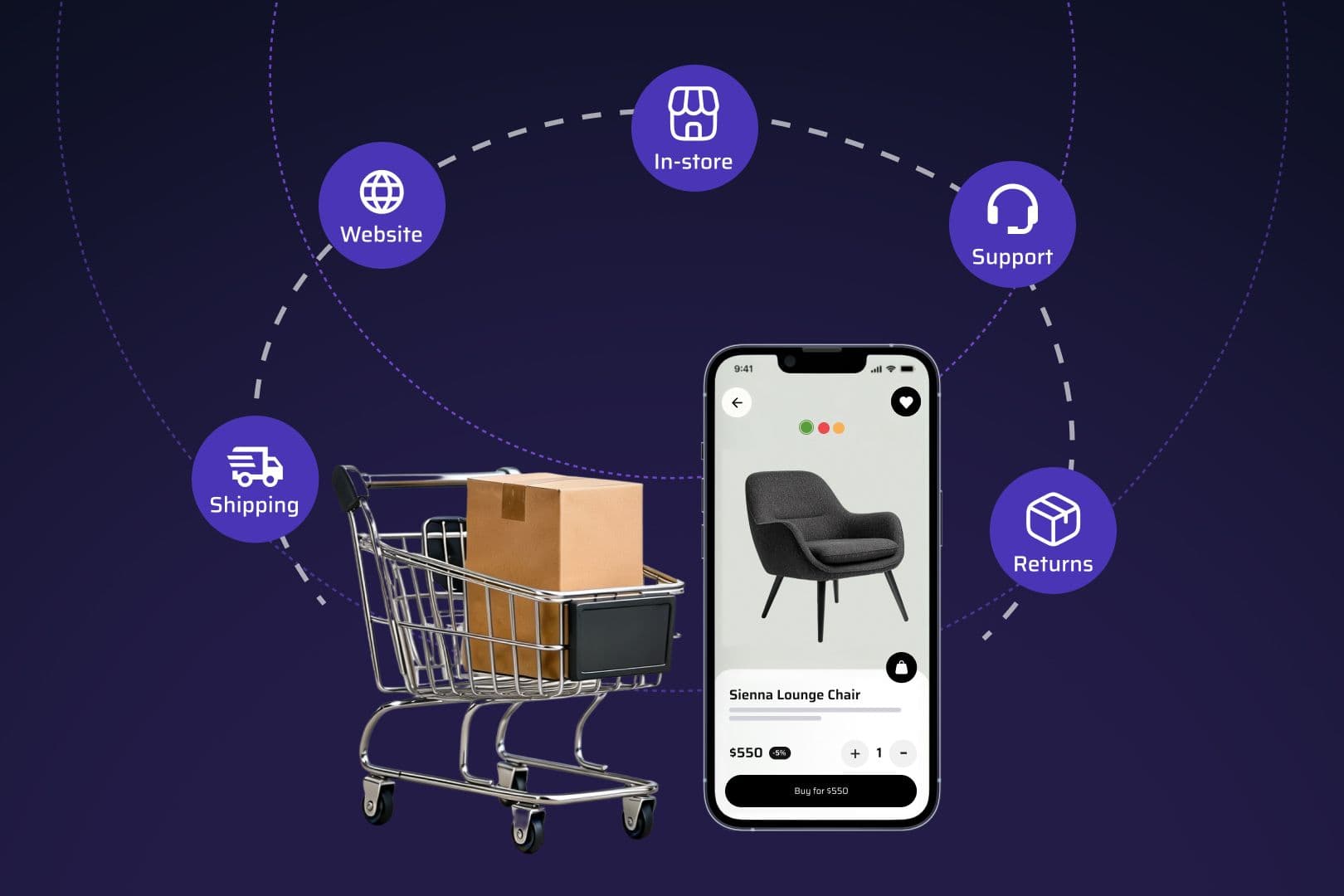
Retail trends 2026 show AR becoming standard. Why guess if a sofa fits in your living room when you can place it there using your phone’s camera? VR is also allowing for virtual showrooms where you can walk through a digital boutique from anywhere in the world.
Direct-to-consumer (D2C) growth
Direct-to-consumer (D2C) growth means brands sell straight to you, cutting out middlemen for better prices and stories.
Sustainable retail practices
Modern consumers want to know that their clothes weren't made in a sweatshop and that their packaging is biodegradable. Brands that prioritize the planet are seeing higher loyalty from younger generations.
Experiential and immersive shopping
To compete with the convenience of the internet, physical stores are becoming "destinations." They are adding cafes, workshops, and interactive displays. The goal is to give you a reason to visit that goes beyond just buying a product.
Frequently Asked Questions [FAQs] About the Evolution of the Retail Industry
What are the main stages in the evolution of retail?
The evolution generally followed this path: Barter system -> Currency/Traditional Markets -> Organized Retail (Department stores/Supermarkets) -> E-commerce -> Omnichannel/Smart Retail.
How has technology impacted retail growth?
Tech has exploded access, efficiency, and personalization, from online shopping to AI predictions. This has boosted sales.
What is the difference between traditional and modern retail?
Traditional markets were personal, local, and limited. Modern (online retail) offers endless choice, 24/7 access, data-driven personalization, and omnichannel ease.
Why is e-commerce important in retail today?
E-commerce is crucial because it offers unlimited choice, 24/7 access, and competitive prices while pushing traditional stores to innovate.
What is the future of the retail industry?
The future of retail is hybrid. It blends physical and digital with AI, sustainability, AR/VR, and immersive experiences that put consumer behavior trends and personalization front and center.